
If you’ve been searching for home vegetable garden ideas because your backyard looks nice but still doesn’t feel very useful, you’re not alone. A lot of outdoor spaces are pleasant to look at, but they don’t actually support daily life in any meaningful way. On the other hand, many edible gardens become so scattered, messy, or overly practical that they stop feeling beautiful. The best home vegetable garden ideas solve both problems at once. They make the backyard feel more useful, more productive, and still very much like part of a warm, well-designed home garden.
This direction fits what people are actively looking for now. Pinterest’s Spring 2026 trend report showed that interest in a home vegetable garden is up sharply, while Better Homes & Gardens continues to feature raised bed ideas that help veggies thrive without digging up the whole yard. The Spruce also emphasizes that even small spaces can grow a meaningful amount of food, and Better Homes & Gardens’ edible landscaping ideas show how food-growing can still look beautiful.
If your yard still needs a broader structure first, start with these home garden ideas. And if your backyard feels too random overall, these small garden path ideas can help create better flow before you add edible zones.
These home vegetable garden ideas focus on one main pain point: how to grow food in a backyard without making the whole space feel cluttered, ugly, or harder to enjoy.
1. Start With One Raised Bed Anchor So Growing Food Stops Feeling Scattered
One of the smartest home vegetable garden ideas is also one of the easiest to maintain: create one clear raised-bed anchor instead of starting with random pots everywhere. A lot of backyard edible spaces feel messy simply because they begin as scattered containers with no visual logic.
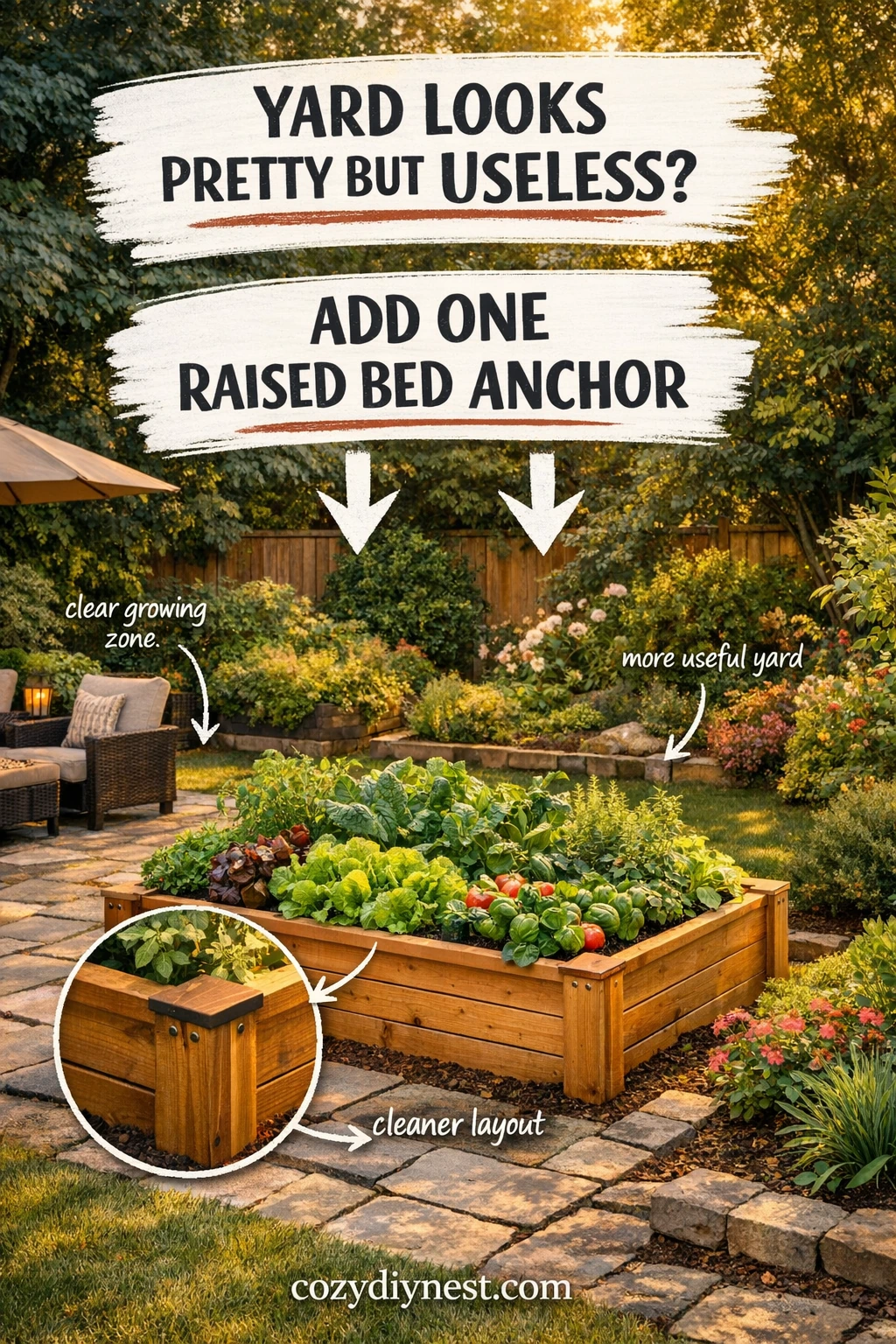
A single cedar or metal raised bed instantly gives the edible zone a center of gravity. It turns food-growing into a designed part of the yard instead of a collection of temporary decisions.
This is especially helpful if you want the backyard to feel more useful, but not more chaotic. One bed is often enough to change the whole emotional reading of the space.
If the yard currently feels pretty but passive, this is one of the strongest starting points in the article.
2. Turn a Narrow Side Yard Into a Salad-and-Herb Strip Instead of Wasting It
One of the most underused parts of many American homes is the narrow side yard. It often gets treated like leftover space, even when it has decent light. One of the most practical home vegetable garden ideas is turning that strip into a slim growing zone for lettuce, herbs, radishes, or other small crops.
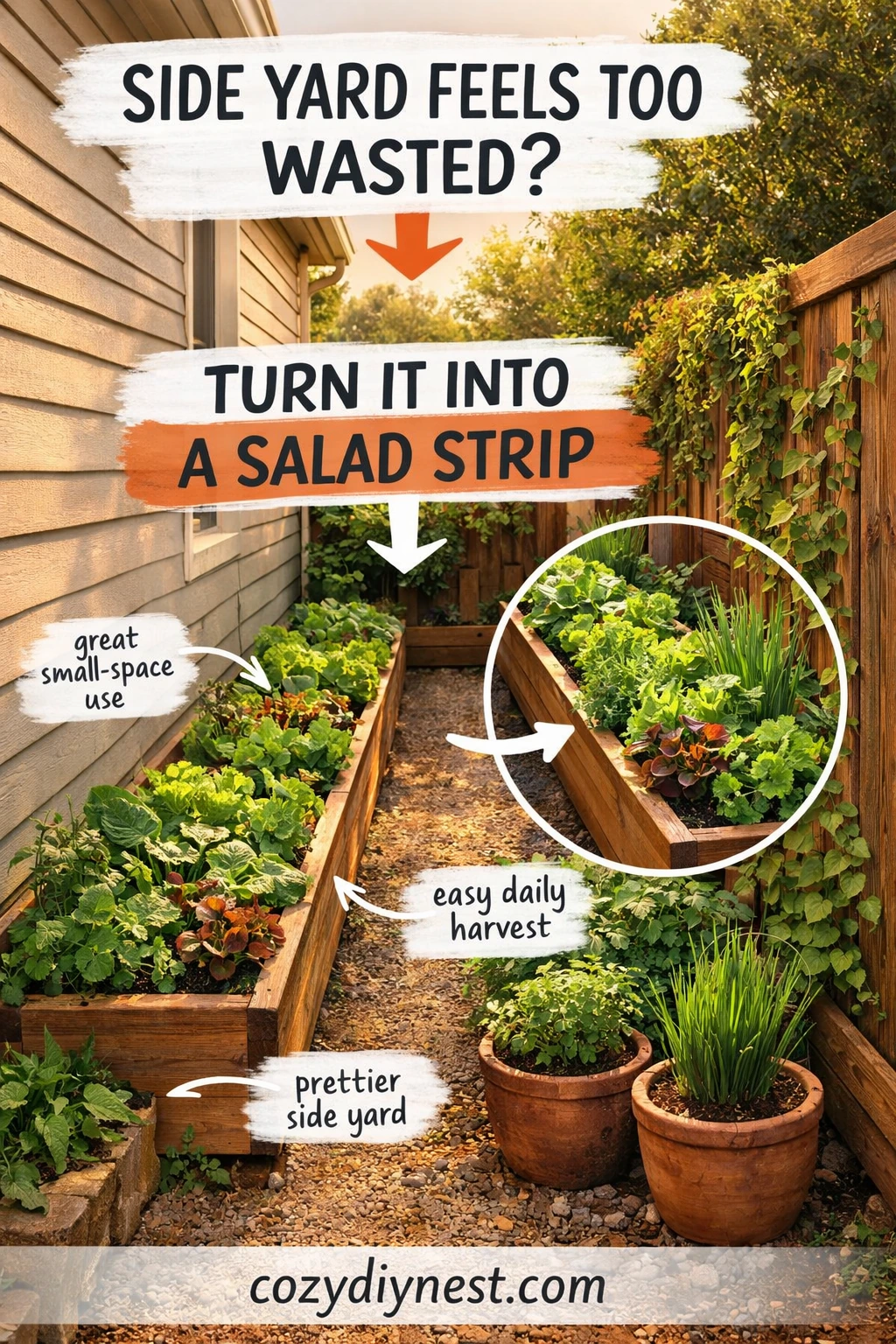
This works because those crops don’t need a huge footprint, but they do make the yard feel much more useful. The side yard stops being wasted circulation space and starts behaving like a productive garden corridor.
This is especially valuable in compact lots where you don’t want the most visible part of the yard to become fully utilitarian. The side strip can quietly do a lot of work.
If one part of the property always feels forgotten, this is one of the smartest ways to reclaim it.
3. Grow Up a Trellis Wall So Edibles Stop Sprawling Across the Yard
One reason edible gardens get messy fast is that productive plants often sprawl. Cucumbers, beans, tomatoes, and squash can quickly eat up more visual and physical space than people expect. That is why one of the best home vegetable garden ideas is using vertical growing where possible.
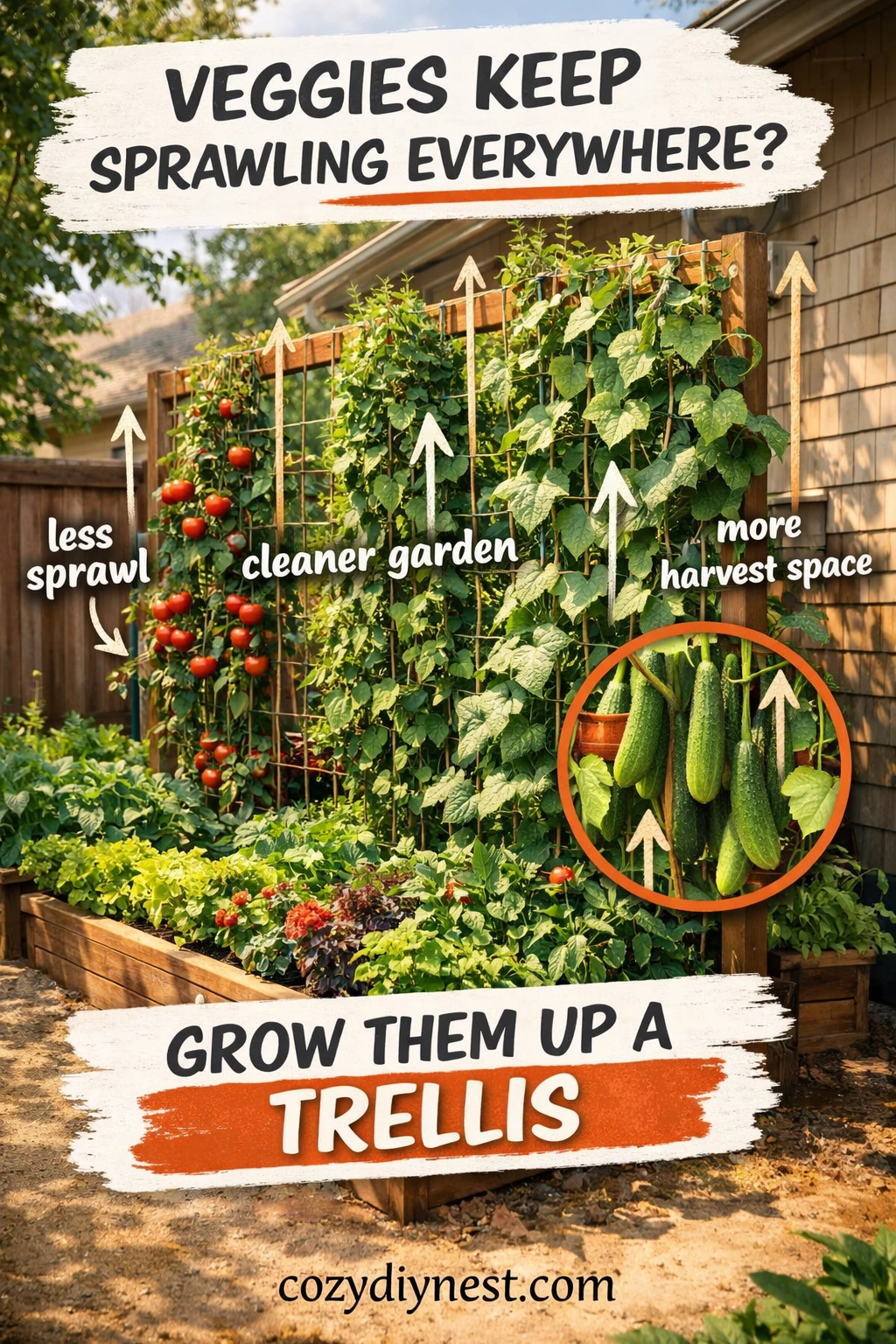
A trellis wall or upright support system keeps the garden cleaner, easier to manage, and easier to harvest. It also makes the edible zone look more designed because height creates rhythm and order.
This is especially useful if the vegetable area keeps looking too unruly or if plants are taking over paths and seating edges.
If the pain is “food-growing gets messy too fast,” vertical structure is one of the smartest solutions you can buy in the U.S. market without overcomplicating the yard.
4. Use Elevated or Stock-Tank Beds When Bending, Soil Mess, and Weeds Keep You From Gardening
Some homeowners don’t avoid vegetable gardening because they dislike the idea. They avoid it because the upkeep feels physically annoying and visually messy. One of the most practical home vegetable garden ideas is choosing elevated planters or stock-tank beds when ease matters as much as yield.
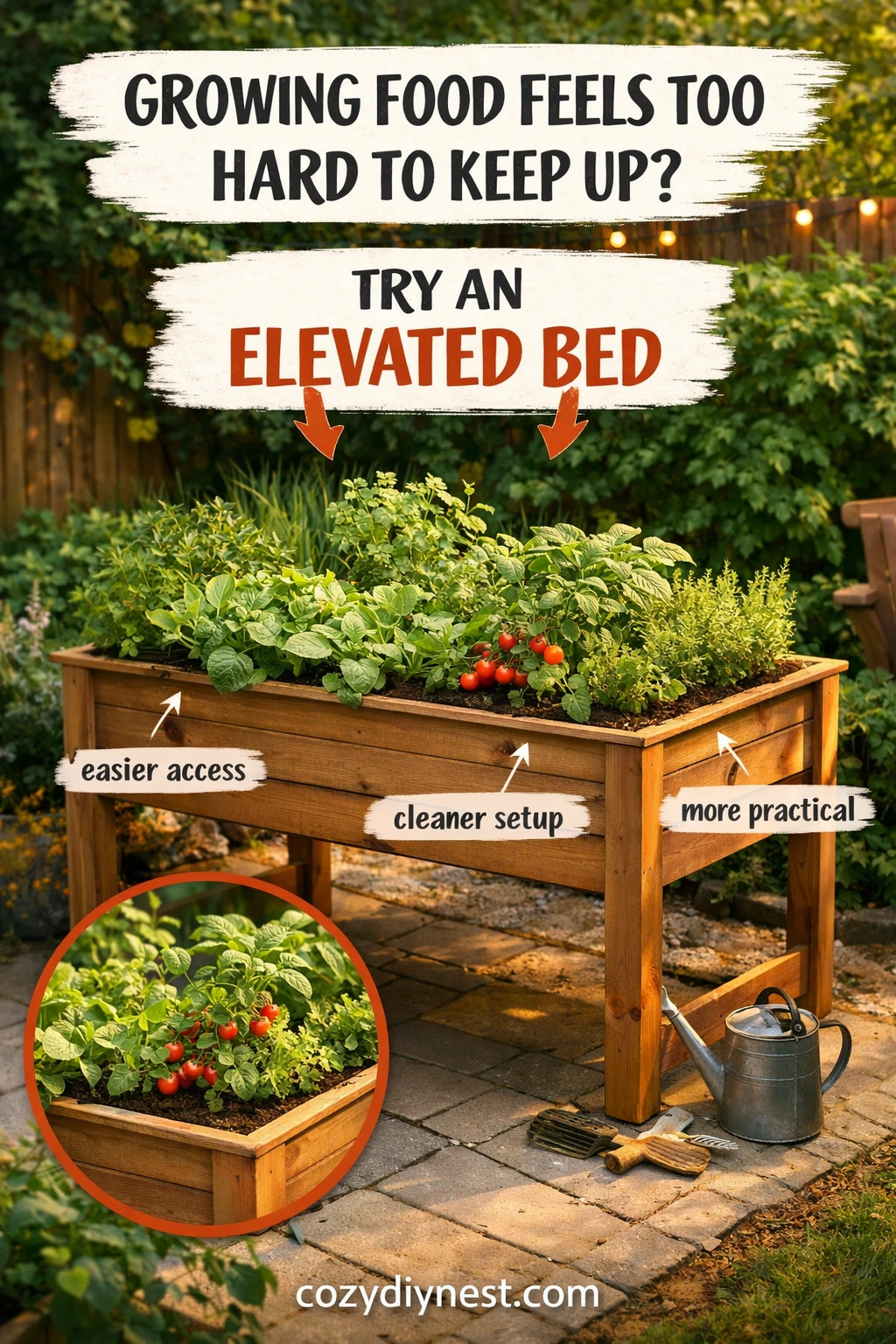
Raised growing surfaces can reduce bending, make the edges cleaner, and help the whole food-growing area feel more intentional. They also work especially well for herbs, greens, peppers, and other crops that don’t need a huge deep ground bed.
House Beautiful’s recent raised bed ideas reinforce how attractive and elevated these setups can look in a backyard, not just how practical they are.
If the idea of traditional in-ground gardening feels too labor-heavy, this is one of the best ways to keep the concept realistic.
5. Build a Kitchen-Door Herb and Lettuce Zone So the Backyard Supports Daily Life
One of the best signs that a backyard is truly useful is when you actually step into it for daily life, not just for big weekend moments. That is why one of the most effective home vegetable garden ideas is placing a compact herb-and-lettuce zone right outside the back door or near the kitchen exit.
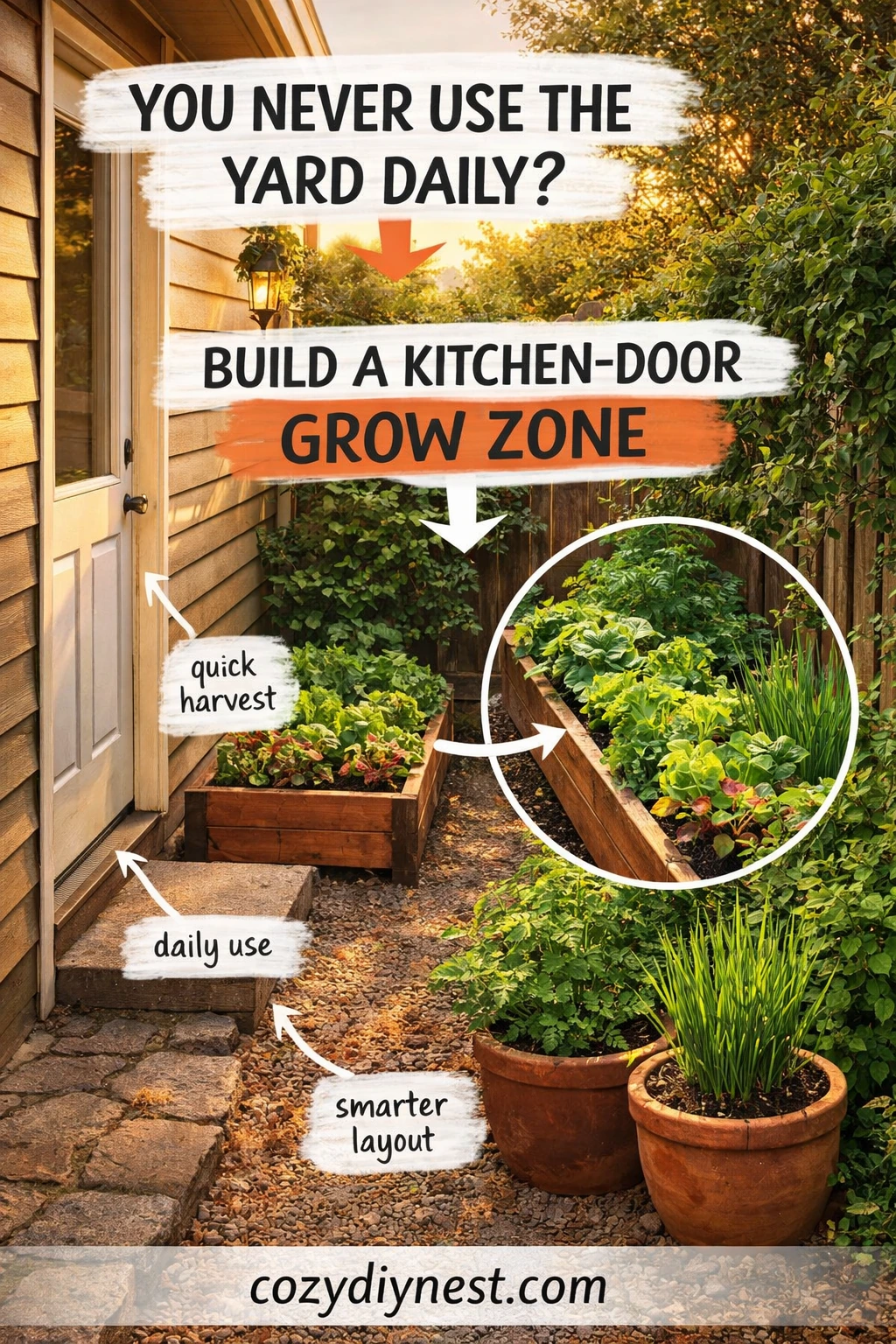
This setup creates low-friction harvesting. You’re more likely to clip basil, cut lettuce, or grab herbs when the edible zone is on your path instead of across the yard. That one layout decision makes the backyard feel much more woven into real routine.
This is especially useful if your garden ideas always sound nice but never turn into a habit. Placement is often the difference between aspiration and use.
If you want the yard to feel more alive in daily life, this is one of the most rewarding setups to build.
6. Blend Edibles Into a Pretty Border So the Vegetable Zone Still Feels Garden-Worthy
One common fear around edible gardening is that it will make the yard look too practical. That is where one of the prettiest home vegetable garden ideas comes in: blend edible plants into an ornamental-looking border instead of separating all food-growing into one obvious utility patch.
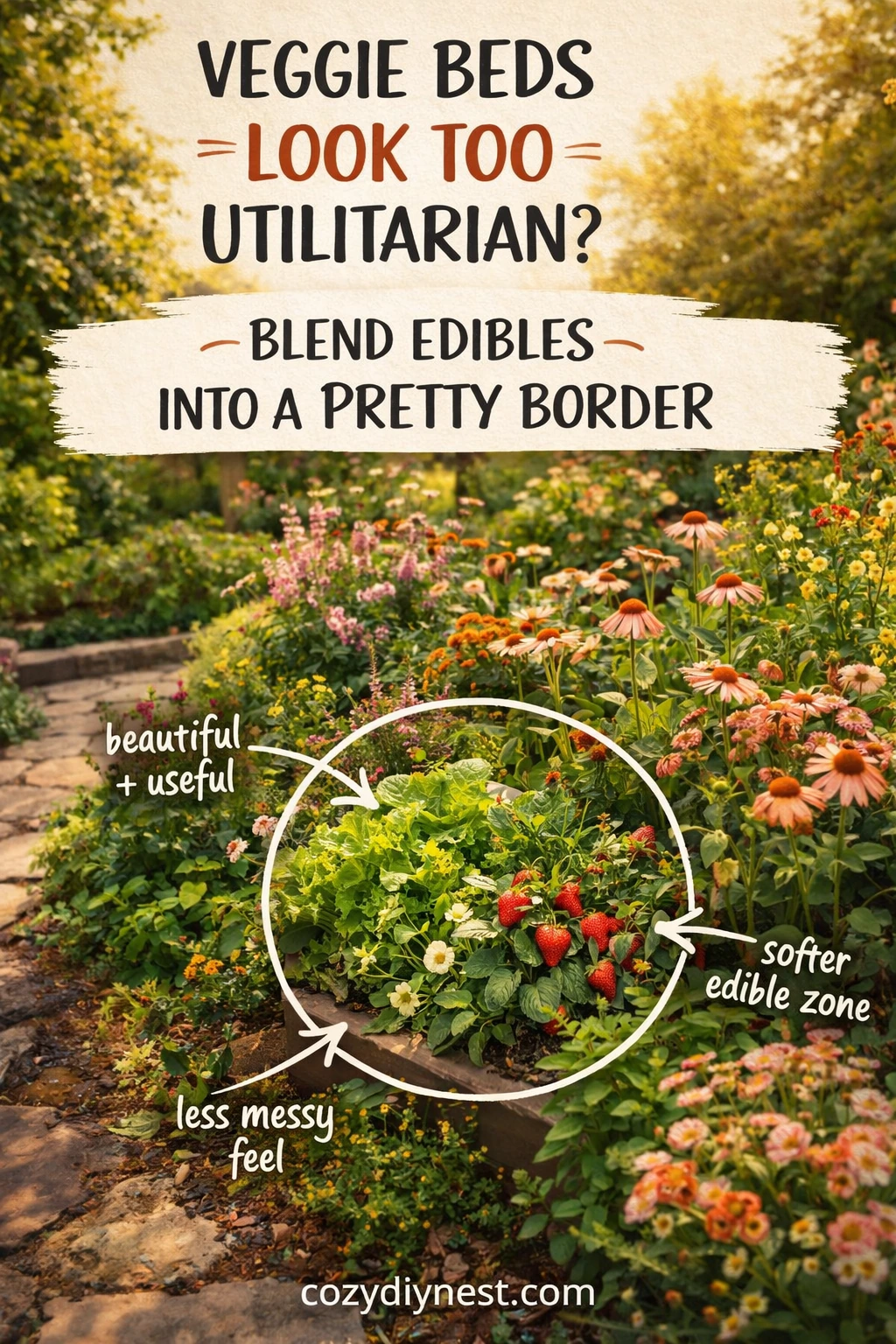
Better Homes & Gardens’ edible landscaping ideas make this case well: strawberries, herbs, and certain edible greens can live alongside ornamental plants beautifully when the layout is thoughtful. The result feels softer, more integrated, and much less like a mini farm dropped in the backyard.
This is especially useful if you want a feminine, cozy backyard look but still want the satisfaction of growing food.
If the yard needs to stay beautiful first, this is one of the strongest ways to make edible gardening feel emotionally compatible with the rest of your design.
7. Create One Harvest-and-Water Station So the Vegetable Zone Stays Easy to Use
A lot of edible gardens get abandoned not because plants won’t grow, but because the routine around them feels annoying. Hoses tangle, baskets disappear, tools end up in random places, and suddenly the growing zone feels like more work than it should. One of the most quietly brilliant home vegetable garden ideas is making one simple harvest-and-water station.
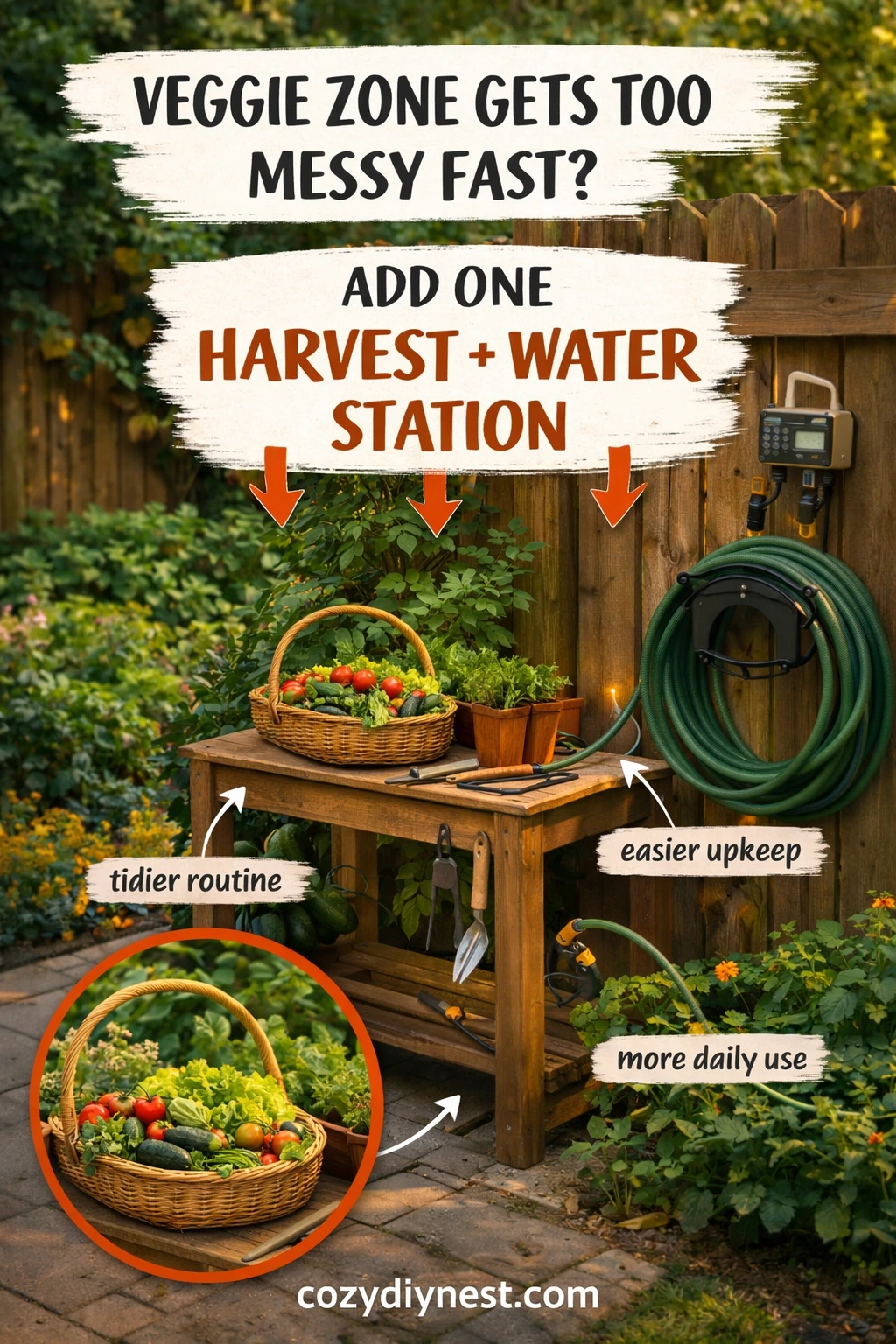
This could be a small potting bench, a garden basket hook, a clean hose solution, or a drip timer zone that keeps the routine tidy. The point is not to build a huge station. The point is to reduce friction so the garden gets used more consistently.
This is especially powerful if your garden area looks good for a few days and then starts to unravel because the maintenance workflow is too scattered.
If the edible zone keeps becoming messy faster than you can enjoy it, this may be the most practical fix in the whole article.
Quick Home Vegetable Garden Checklist
- Start with one raised bed if your edible ideas feel too scattered.
- Use narrow side-yard space for salad and herbs.
- Grow vertically when sprawling plants keep taking over.
- Choose elevated beds when comfort and cleanup matter.
- Place herbs and lettuce near the kitchen door for daily use.
- Blend edibles into a pretty border if you want a softer look.
- Create one harvest-and-water station to keep the routine simple.
Once you start thinking about home vegetable garden ideas this way, the backyard stops being only decorative. It becomes more useful, more rewarding, and much more connected to everyday life.
The best home vegetable garden ideas do not make the yard feel messier. They make it feel more purposeful. That is what turns food-growing into a real part of a warm, beautiful home garden.
To keep building this garden cluster, explore more inspiration in Home Garden Ideas and the broader foundation article on home garden ideas.
FAQ
What is the easiest vegetable garden setup for a beginner backyard?
A single raised bed is often the easiest starting point because it keeps the garden organized, easier to maintain, and visually cleaner than scattered containers or a large in-ground patch.
Can a vegetable garden still look beautiful in a small backyard?
Yes. A vegetable garden can absolutely look beautiful when it uses strong layout, raised beds, vertical growing, and edible plants blended into softer ornamental borders.
What vegetables work best in a small home garden?
Herbs, lettuce, radishes, compact peppers, climbing beans, and cucumbers are often good small-space choices because they can thrive in raised beds, containers, or trellised setups without needing a huge footprint.
How do I keep a vegetable garden from looking messy?
Use clear growing zones, vertical supports, raised beds, and one tidy harvest-and-water station. Those layers help the edible area feel planned and easier to maintain instead of improvised.