
The spring light test is a powerful way to understand why your room may feel heavy — even when it’s clean and organized. Many American homes look tidy but still feel visually overwhelming. The issue is rarely clutter alone. It’s visual density, blocked light, and uneven balance.
Instead of adding new decor, the spring light test helps you remove subtle weight from your space. By identifying seven common visual problems, you can instantly restore lightness, openness, and calm — without spending money.
🎬 Quick Spring Light Diagnostic (8 Seconds)
Notice how small changes shift the entire feeling of the room.
What Makes a Room Feel Heavy in Spring?
After winter, interiors often carry leftover weight: darker textiles, layered textures, clustered furniture, and compact styling. Even if everything is clean, the room may absorb light instead of reflecting it. This is where the spring light test becomes essential.
Spring decorating is not about filling your home with florals. It’s about restoring visual breathing room. A lighter room feels calmer, larger, and more intentional.
The 7-Point Spring Light Test
If your room fails three or more of these signs, it likely feels heavier than it should.
1. Natural Light Is Blocked
Heavy curtains, tall plants near windows, or furniture placed directly in front of natural light sources reduce brightness. Even partial obstruction changes how light travels across walls and floors.
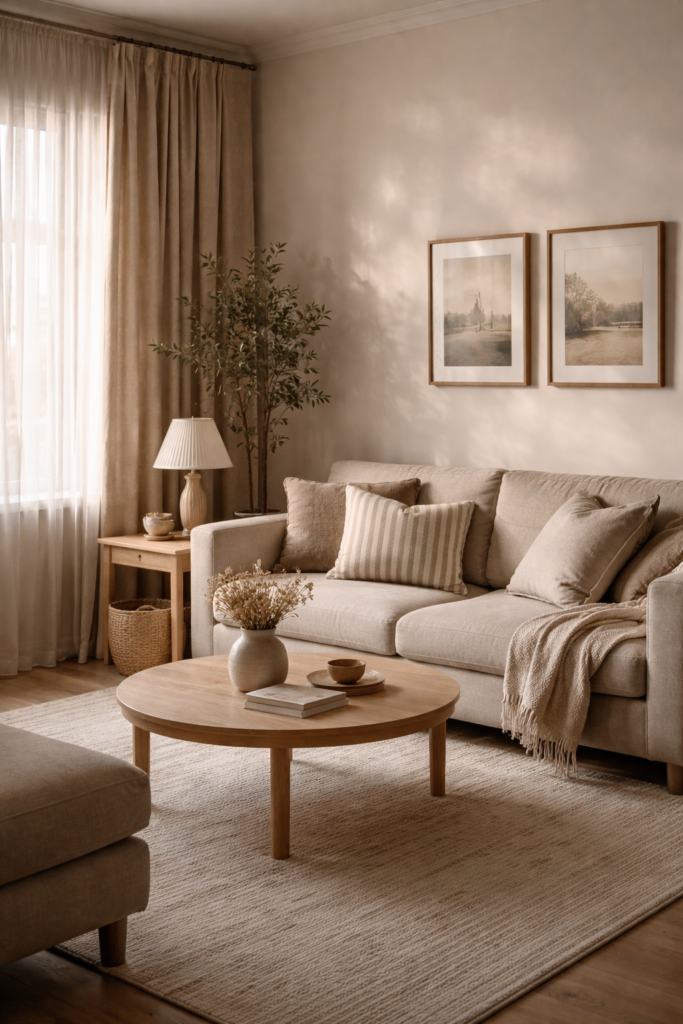
Try pulling curtains wider or switching to sheer panels. Increasing daylight exposure alone can transform the perception of your space without moving furniture.
2. Too Many Competing Textures
Knit throws, velvet pillows, boucle chairs, woven baskets — individually beautiful, but collectively dense. Texture layering is cozy in winter but can feel overwhelming in spring.
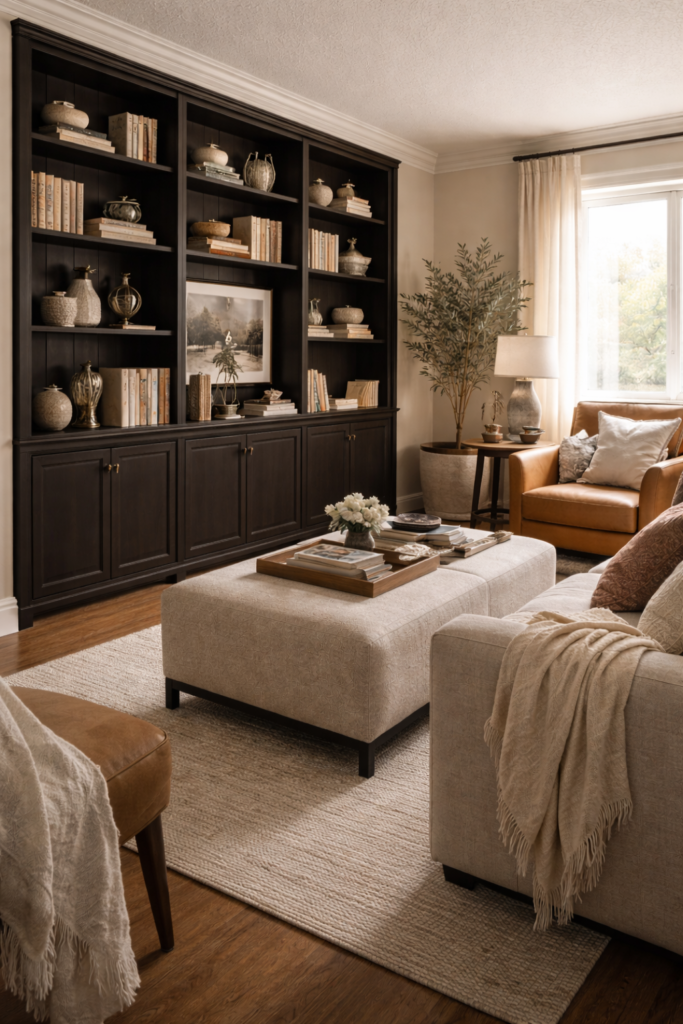
Remove one heavy textile and replace it with smoother linen or cotton. This small shift reduces visual noise instantly.
3. No Visible Empty Space
Every surface filled with decor creates continuous stimulation. The eye has nowhere to rest.
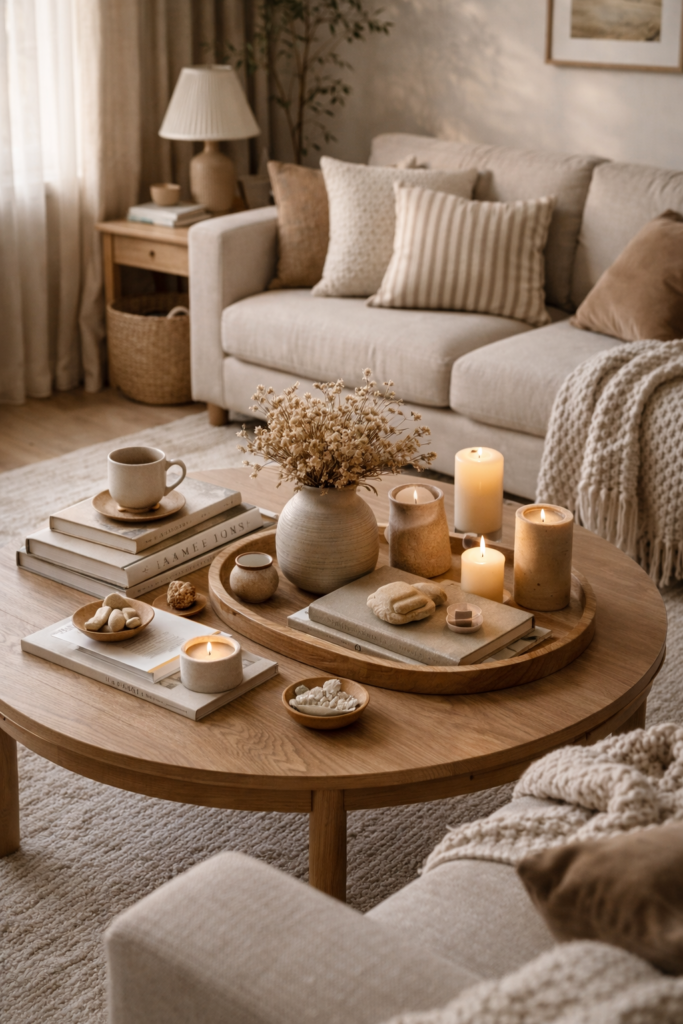
Clear 20% of one surface. If you need inspiration after editing, explore our coffee table decor ideas to see how minimal styling feels refined.
4. Dark Color Clustering
Dark sofa + dark rug + dark artwork grouped together creates a visual weight pocket. This makes one area feel heavier than the rest of the room.
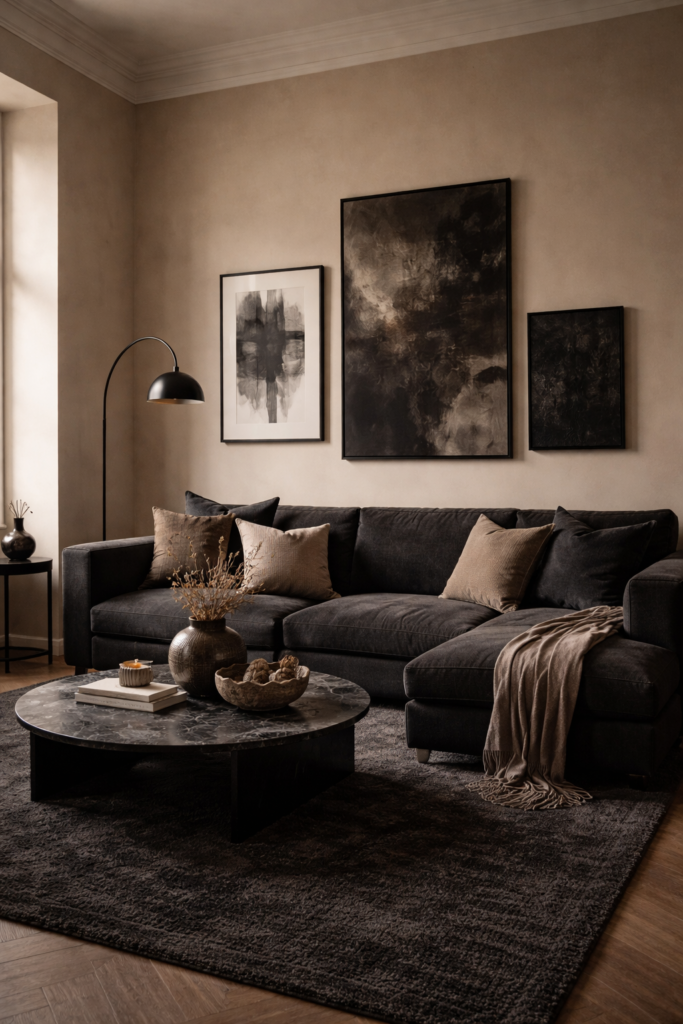
Distribute darker pieces across the room or introduce lighter accents nearby to rebalance visual flow.
5. Furniture Crowding
Extra chairs, oversized ottomans, or secondary storage pieces can reduce openness. American living rooms often accumulate additional seating over time.
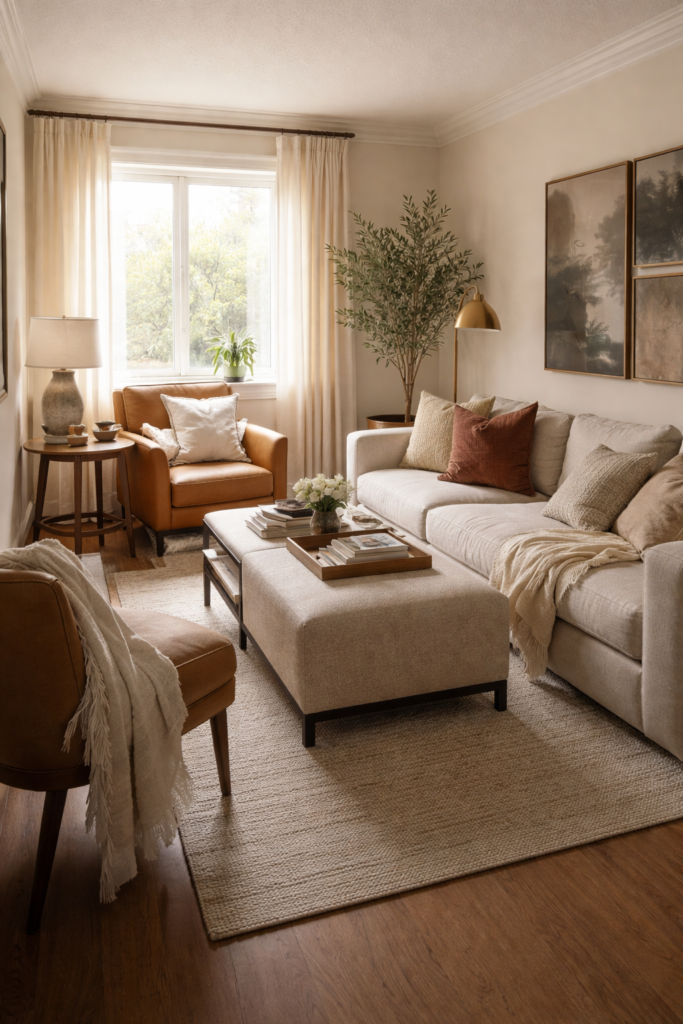
Temporarily remove one non-essential piece and observe how circulation improves.
6. No Visual Breathing Zone
Every room needs one calm anchor area. Without it, your brain continues processing visual information nonstop.
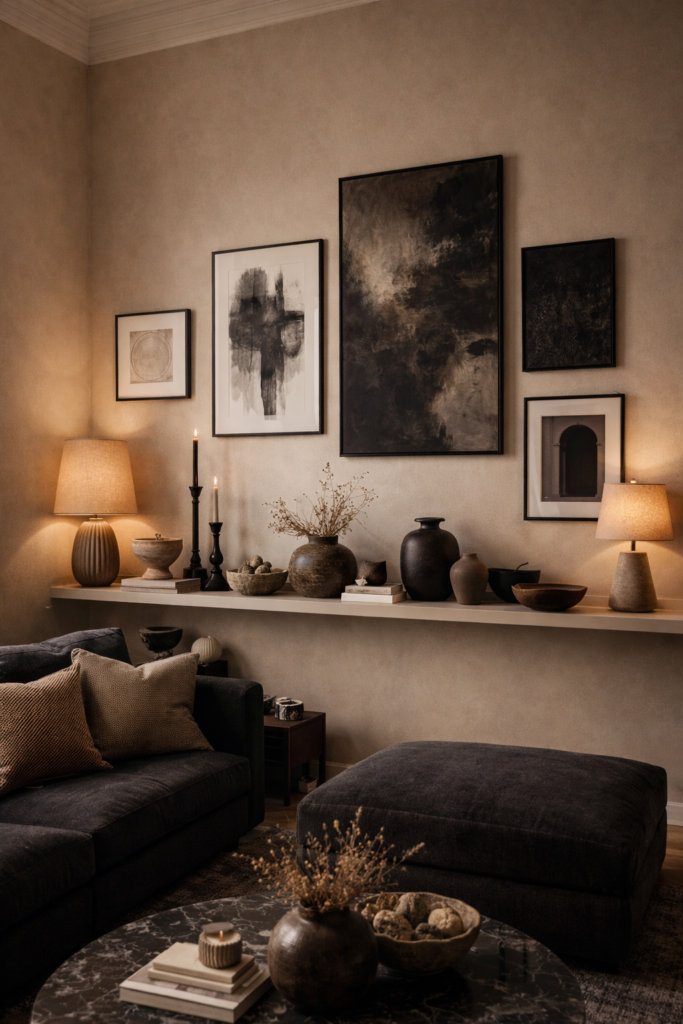
For small homes, visit our small space decor ideas to simplify without losing warmth.
7. One Overpowering Element
A single large bookshelf, dark accent wall, or oversized artwork can dominate a room visually.
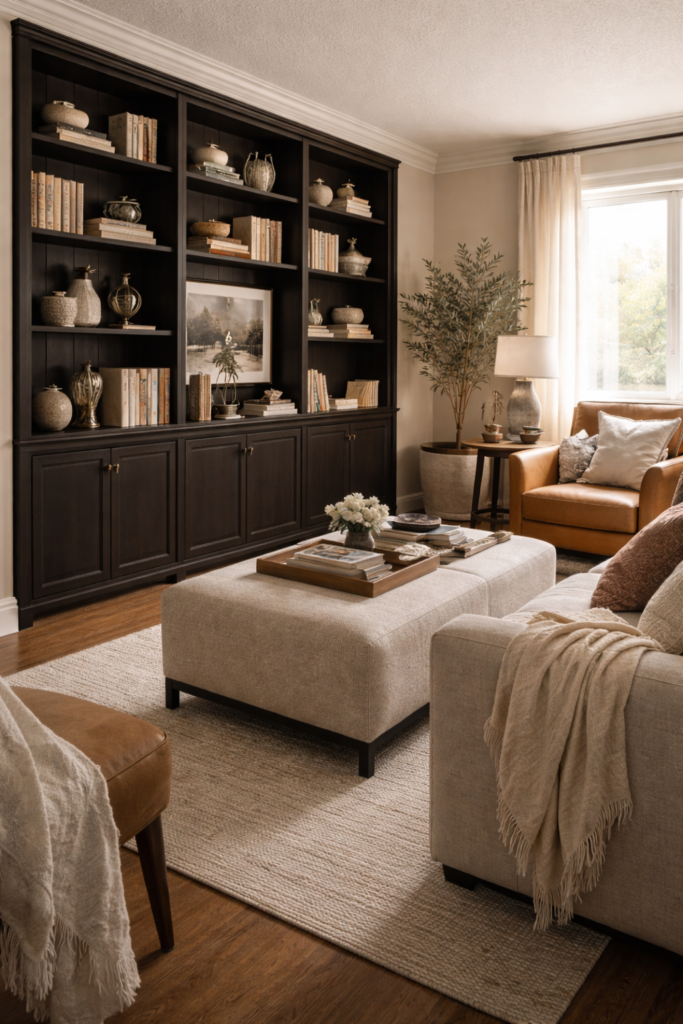
Balance dominance by lightening surrounding decor rather than removing the piece entirely.
The 15-Minute Spring Light Reset
- Remove one dark textile
- Clear one surface by 20%
- Reposition one blocking object
- Create one calm breathing zone
The spring light test works because it restores proportion. According to Architectural Digest, visual balance and restraint are key principles in interior harmony.
Continue your transformation with our seasonal home refresh ideas to keep your home feeling intentional all year long.